
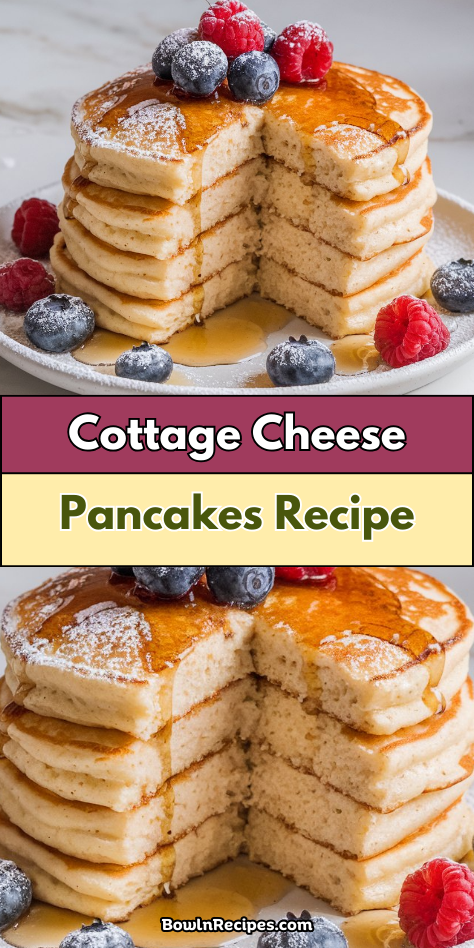
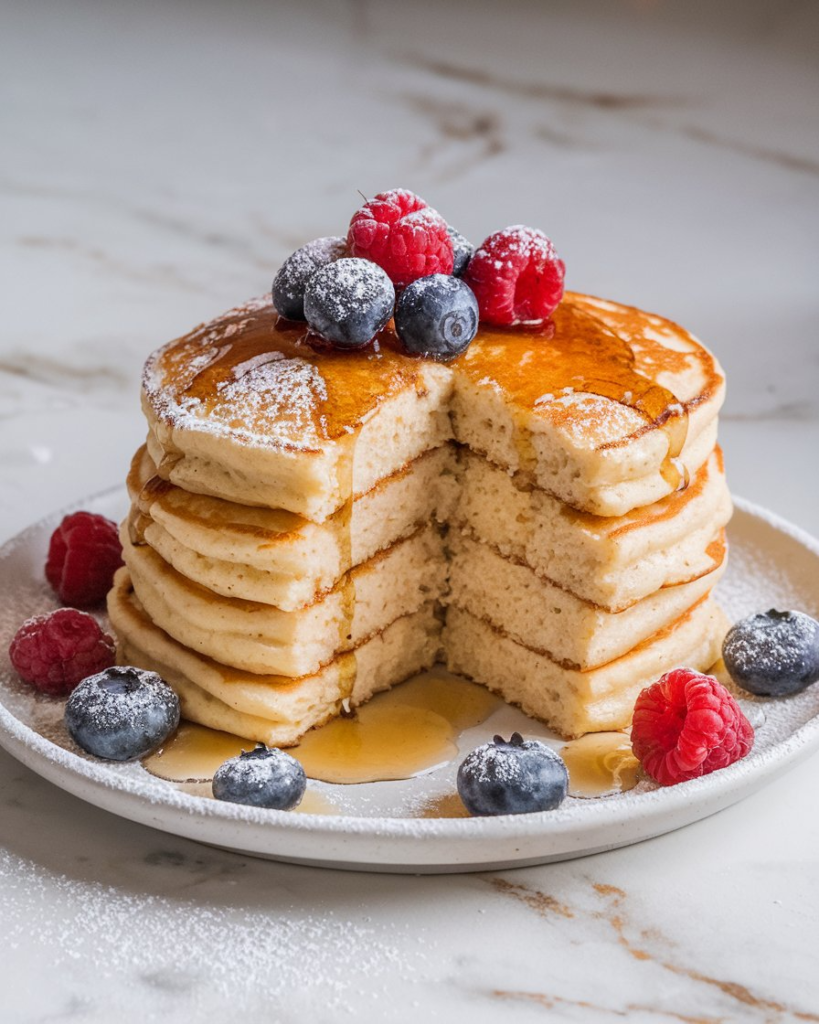
I never thought I’d be the person singing the praises of cottage cheese in pancakes, but here we are. These fluffy, protein-packed beauties have completely changed my breakfast game.
The cottage cheese adds incredible moisture and a subtle tang that pairs perfectly with maple syrup, while keeping you satisfied for hours.
They’re so good that even my skeptical family asks for them by name now. Trust me on this one—you won’t even taste the cottage cheese, just pure pancake perfection.
Why You’ll Love these Cottage Cheese Pancakes
If you want breakfast that feels indulgent but won’t derail your day, these cottage cheese pancakes are exactly the trick I reach for in my head; they’re fluffy, protein-packed, and surprisingly simple to pull off. I adore how they look like treats but behave like sensible fuel.
Want quick steps? Blend, rest briefly, then scoop onto a warm skillet, watch bubbles, flip once. They brown fast, so stay nearby. Serve warm, drizzle lightly, or tuck fruit inside. Curious, skeptical, hungry? They’re forgiving, neat, and oddly comforting. Perfect for busy mornings that still deserve a little joy.
What Ingredients are in Cottage Cheese Pancakes?
These cottage cheese pancakes use a handful of pantry-friendly items that come together fast, and they punch well above their weight for fluff and protein.
- 2 large eggs
- ½ cup cottage cheese
- 1 ½ cups old fashioned rolled oats
- 2 tablespoons maple syrup
- 2 tablespoons olive oil
- 2 teaspoons baking powder
- ¼ teaspoon salt
- ¼ cup water
Think about a couple of tiny trade-offs: if your cottage cheese is super wet, blot it a bit so the batter doesn’t get runny, and if you prefer sweeter pancakes swap the maple syrup for a little more or add vanilla — but don’t pour in extra water at first; the batter thickens as it rests and that’s what helps make them fluffy.
How to Make these Cottage Cheese Pancakes
Step 1:
Gather 2 large eggs, ½ cup cottage cheese, 1 ½ cups old fashioned rolled oats, 2 tablespoons maple syrup, 2 tablespoons olive oil, 2 teaspoons baking powder, ¼ teaspoon salt, and ¼ cup water
Lay everything out so you don’t play kitchen detective mid-recipe; measuring first saves panic and odd substitutions. If your cottage cheese seems super wet, blot a bit with a paper towel — nobody wants watery batter.
Step 2: Add the 2 large eggs and ½ cup cottage cheese to a blender or food processor
Crack the eggs in, dollop in the cottage cheese, and don’t worry about lumps — the blender will handle them. This combo gives the pancakes protein and a tender texture, like a fluffy hug.
Step 3: Pour in 1 ½ cups old fashioned rolled oats, 2 tablespoons maple syrup, and 2 tablespoons olive oil
The oats are your body — hearty and reliable — while the maple syrup adds just enough sweetness and the olive oil keeps them from sticking. Yes, olive oil; it’s fine, trust the weirdness.
Step 4: Sprinkle in 2 teaspoons baking powder, ¼ teaspoon salt, then add ¼ cup water
The baking powder is the little magician that makes the pancakes rise, and the salt wakes up the flavors. The ¼ cup water thins the mix just enough; don’t be tempted to pour more — patience yields fluff.
Step 5: Blend everything until smooth, stopping to scrape down the sides if needed
Run the blender until the batter looks mostly smooth and pourable, about 30–60 seconds depending on your machine. If it seems way too thick, give it a quick splash of water, but remember the batter thickens as it rests.
Step 6: Heat a skillet over medium heat and lightly grease with oil or butter
Wait until the pan is warm, not smoking—medium heat is key so the pancakes cook through without burning. A light brush of oil is enough; too much makes the edges greasy.
Step 7: Pour ¼ cup batter per pancake onto the skillet and spread slightly
Use a measuring cup for even pancakes, then nudge the batter into a circular shape if needed; it’s okay if they’re imperfect. Watch for bubbles forming on the surface — that’s your cue.
Step 8: Cook 2–3 minutes until bubbles form, flip, then cook 2 more minutes
Flip when the edges look set and bubbles have popped, then give the other side about two minutes; you want golden, not charcoal. Repeat with the rest of the batter, keeping finished pancakes warm on a plate in a low oven if you’re feeling fancy.
For serving or gifting, consider pairing these pancakes with items from a high quality baking set to make breakfasts feel extra special.
What to Serve with Cottage Cheese Pancakes
These cottage cheese pancakes are surprisingly versatile — light, slightly tangy, and hearty from the oats. Here are a few easy ways to serve them so they work for breakfast, a quick lunch, or even a snack.
- Sweet and bright: Warm pancakes, a drizzle of maple syrup and a handful of fresh berries. Add a spoonful of Greek yogurt for tang and creaminess.
- Savory stack: Top with sliced avocado, a sprinkle of flaky salt and cracked pepper, and a squeeze of lemon. A soft‑poached egg makes it more lunch-worthy.
- Quick compote: Simmer frozen berries with a little maple syrup for 5–7 minutes until jammy — spoon over pancakes for berry bliss.
- Simple sides: Crispy bacon or turkey sausage if you want a salty counterpoint, or a mixed green salad for a lighter meal.
- Drink pairings: Coffee or a citrusy tea for breakfast; a sparkling water with lemon if serving for brunch or a light lunch.
These pairings are fast and forgiving, so mix sweet with savory and see what feels right that morning.
Cottage Cheese Pancakes Substitutions and Variations
- Pantry swaps: Oats work great because they blend into the batter, but use quick oats if that’s what’s on hand (same amount). For a finer texture, grind the rolled oats in the blender first. Swap olive oil for melted coconut oil, neutral vegetable oil, or melted butter — all keep the batter moist. If you’re out of maple syrup, honey or a tablespoon of brown sugar plus a splash of water are fine.
- Gluten-free and dairy options: Use certified gluten‑free oats to make the pancakes gluten‑free. For dairy-free, replace cottage cheese with an equal amount of firm tofu blended with a tablespoon of lemon juice to mimic tang; add a touch more water if needed. Note: texture shifts a bit, but still tasty.
- Vegan and low‑egg ideas: For a vegan version, replace each egg with 3 tablespoons aquafaba (chickpea liquid) whipped slightly, and use silken tofu in place of cottage cheese. For lower egg content, use 1 egg plus 3 tablespoons mashed banana — sweeter, denser, but perfectly fine for pancakes.
- Flavor twists and add‑ins: Stir in a handful of chocolate chips, chopped apple with cinnamon, mashed banana, lemon zest and poppy seeds, or grated carrot and raisins for a carrot‑cake vibe. Fold in chopped herbs and a pinch of smoked paprika for a savory run.
- Toppings and finishing touches: Keep it simple with maple syrup and berries, or try Greek yogurt and toasted nuts for crunch. For savory stacks, sliced avocado, a soft‑poached egg, flaky salt and lemon really brighten things. A quick berry compote or a drizzle of nut butter adds comfort-level deliciousness.
Short, flexible ideas — tweak boldly, because these pancakes forgive mistakes.
Leftovers and Storage for these Cottage Cheese Pancakes
- Fridge: Cool pancakes completely, then stack with parchment between layers and store in an airtight container. They keep well for 3–4 days. Yes, they’ll soften a bit overnight, but still tasty.
- Freezer: Flash-freeze single layers on a baking sheet, then transfer to a freezer bag. Frozen pancakes last up to 2 months. Thaw in the fridge or pop straight into the toaster.
- Reheating: For best texture, reheat in a nonstick skillet over medium-low, a minute per side, adding a splash of water and covering for 20–30 seconds if they seem dry. A toaster or oven (350°F / 175°C for 8–10 minutes) works too and crisps the edges.
- Prevent sogginess: Don’t stack hot pancakes; let steam escape. If storing with toppings, keep them separate — syrup and fruit make things limp fast.
- Note: These pancakes actually mellow and taste even better the next day once flavors settle, but for the fluffiest bite, eat them fresh.
Final Thoughts
These pancakes are quietly clever — the cottage cheese adds a tender, slightly tangy lift while oats keep them wholesome and satisfyingly chewy, so you get comfort without the guilt.
They’re great for rushed mornings when you want something filling that comes together in a blender, or for relaxed weekend breakfasts that turn into late brunches; stack and freeze extras for nights when dinner plans fall through.
Light, flexible, and forgiving (yes, even if you forget to watch the skillet), they make an easy, steady favorite you’ll reach for again and again.
Frequently Asked Questions
Can You Freeze the Batter for Later Use?
Yes — I wouldn’t freeze the batter; cottage cheese and eggs change texture when frozen. I recommend cooking pancakes, cooling, then freezing them layered with parchment. Reheat from frozen in the toaster or skillet until hot.
Are These Pancakes Suitable for Diabetics?
Yes — I think they can fit a diabetic-friendly diet in moderation. I’d monitor portion size and carbs from oats and maple syrup, consider reducing syrup, and check blood glucose response or consult a dietitian for personalized advice.
Can I Make Them Dairy-Free Without Changing Texture?
Yes — I can, but expect slight texture change: I’d replace cottage cheese with a thick dairy-free yogurt or blended silken tofu, keep oats and eggs, and avoid extra liquid so pancakes stay fluffy and tender.
What’s the Best Way to Reheat Frozen Cooked Pancakes?
Reheat them in a 350°F oven on a baking sheet for 8–10 minutes until warm and slightly crisp; I also microwave individual pancakes 20–30 seconds for convenience, then briefly toast for restored texture if needed.
Do These Pancakes Work With a Savory Filling?
Yes — they work great savory. I’d fill them with sautéed mushrooms, spinach, feta, or smoked salmon with dill. I’d keep fillings fairly dry and warm so the pancakes stay tender and don’t get soggy.